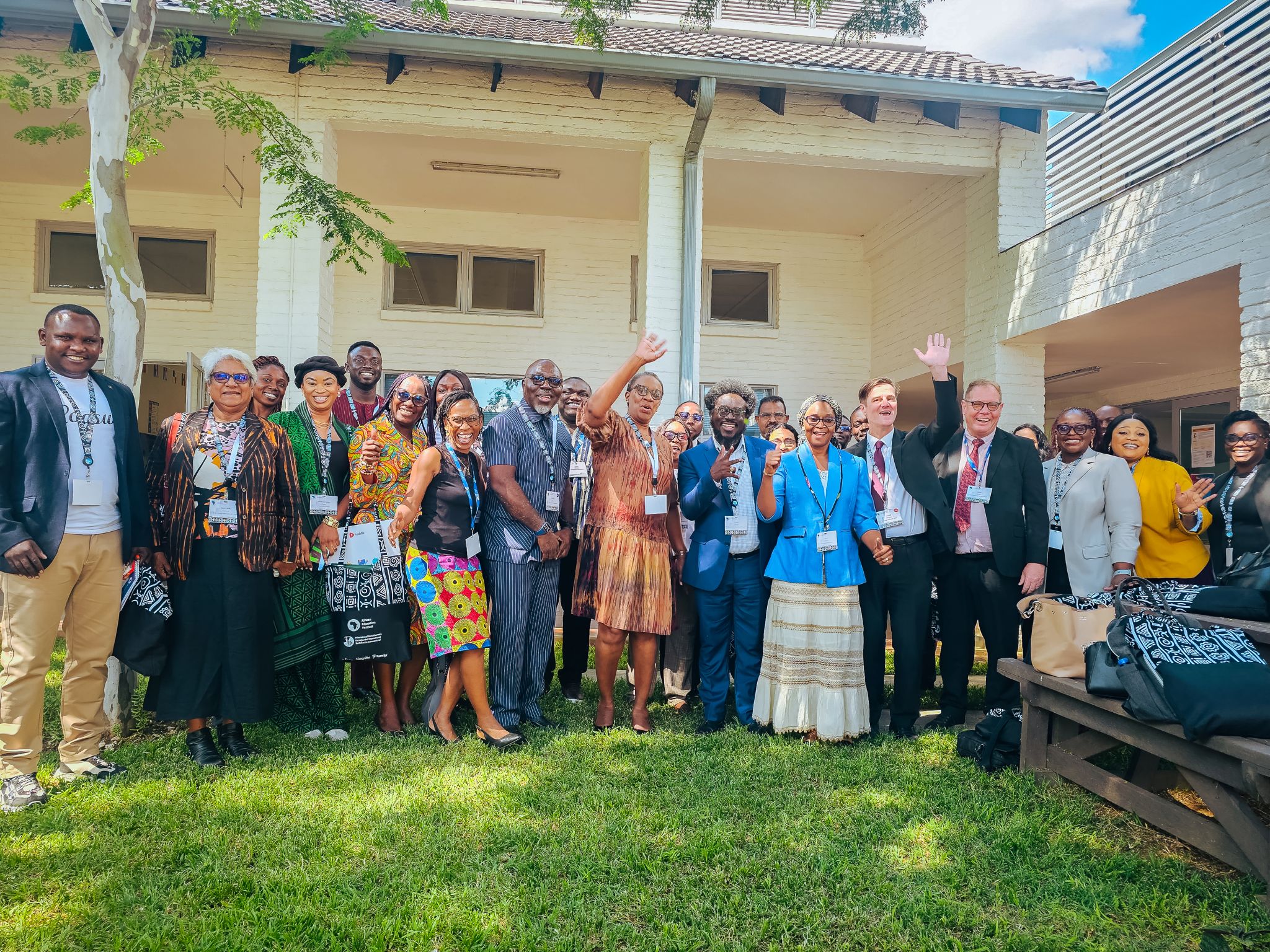
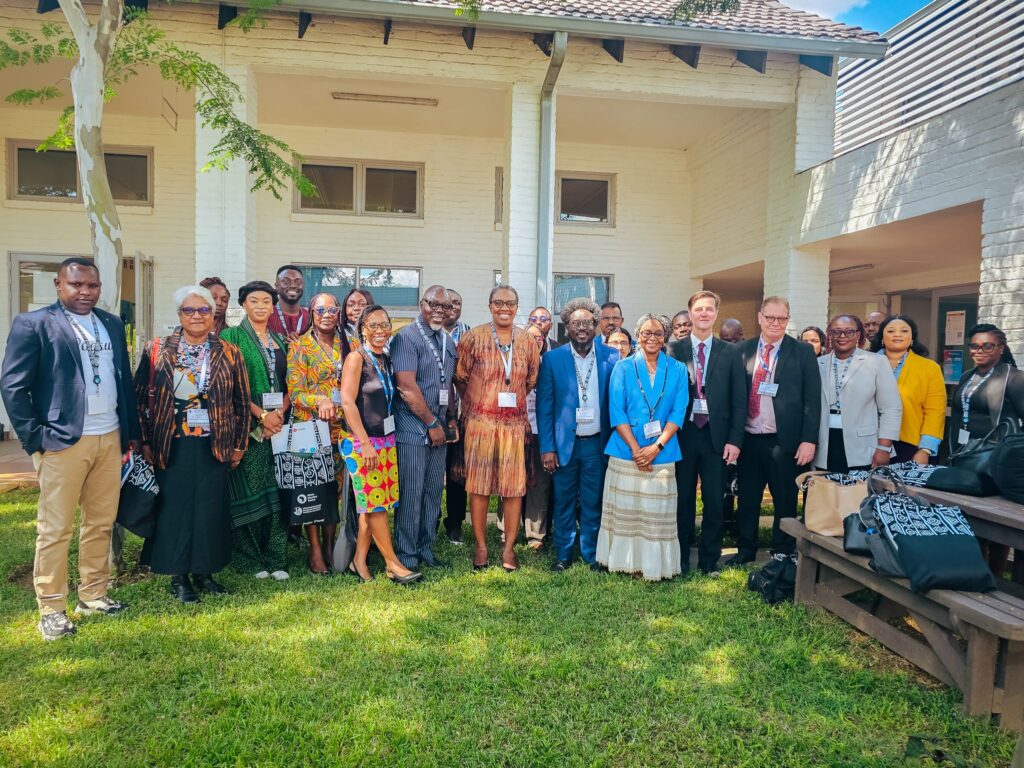
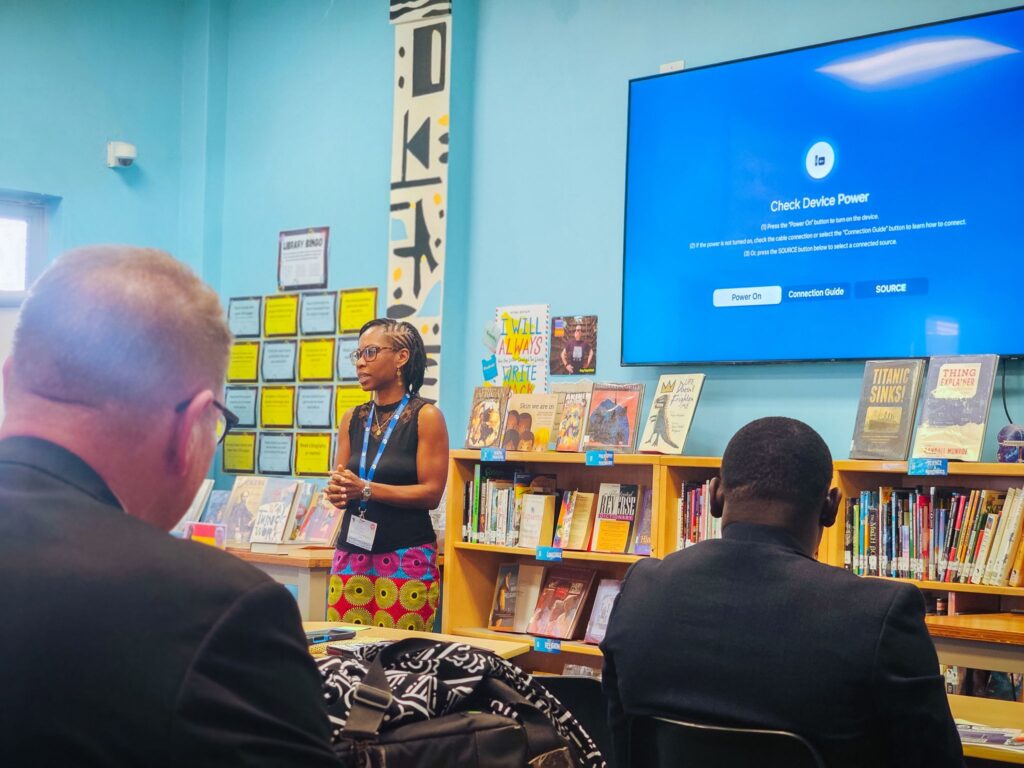
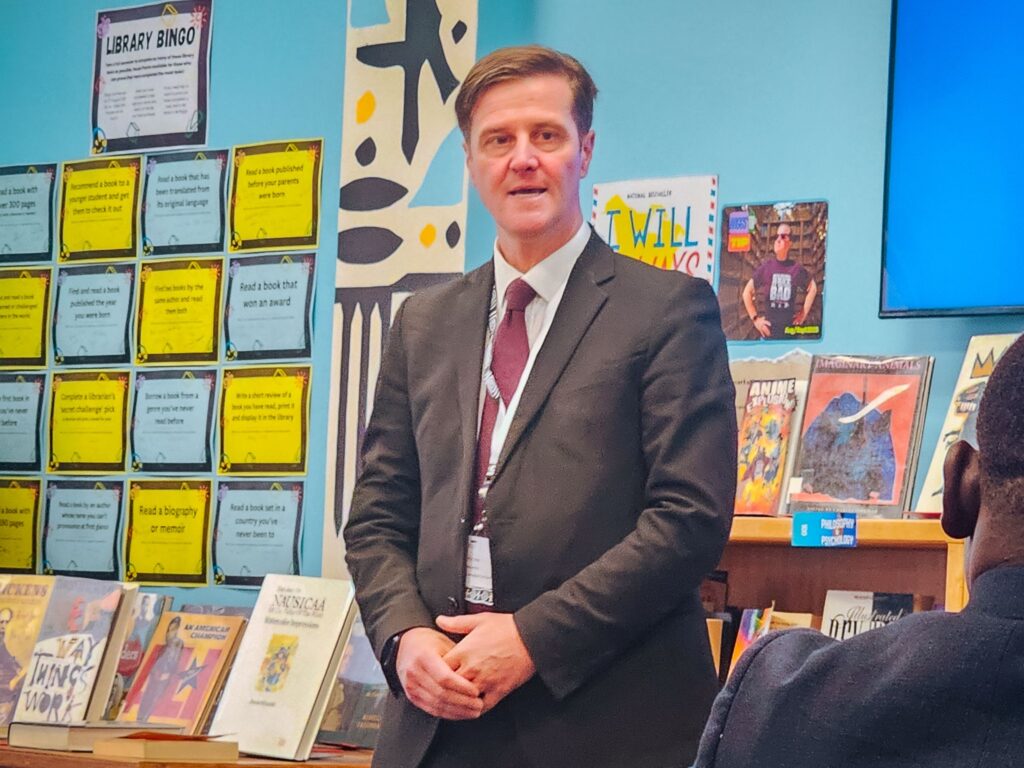
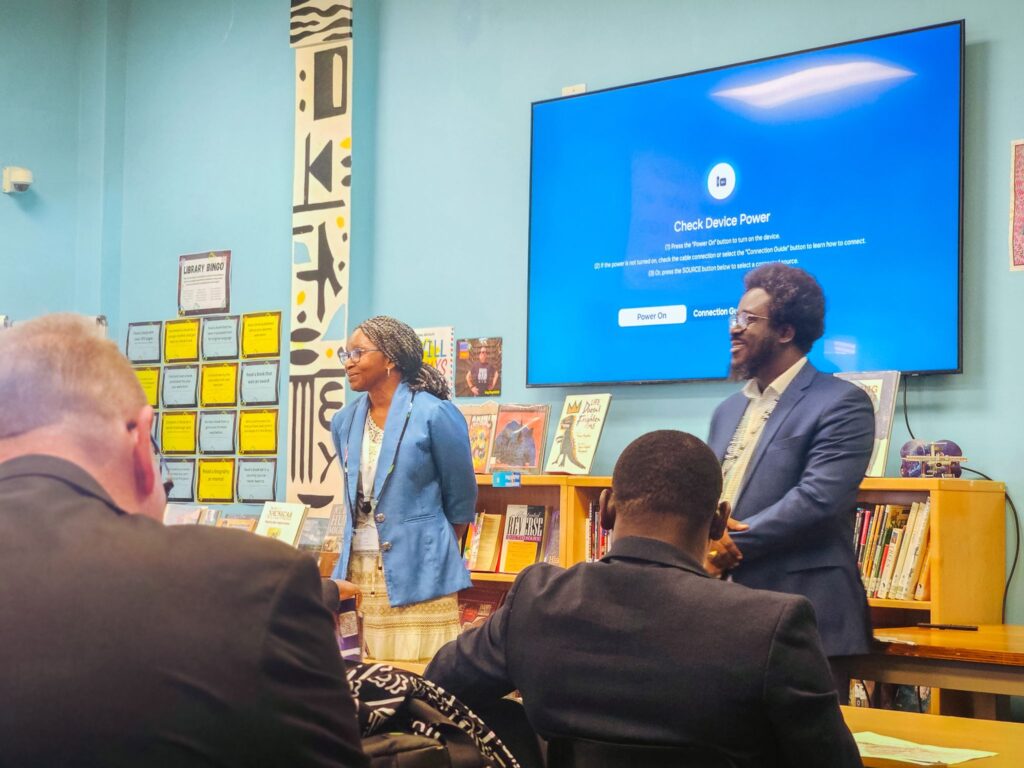
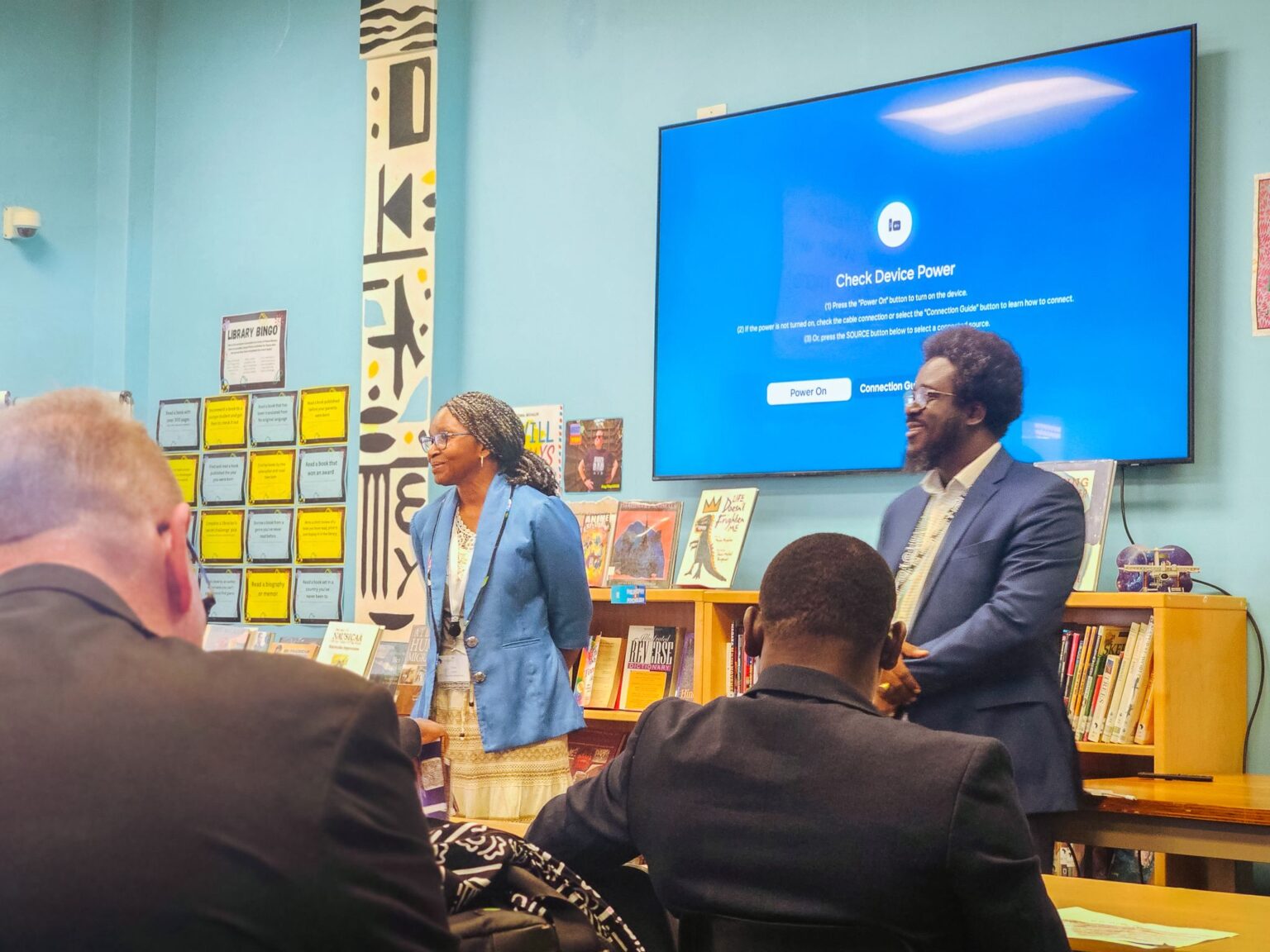
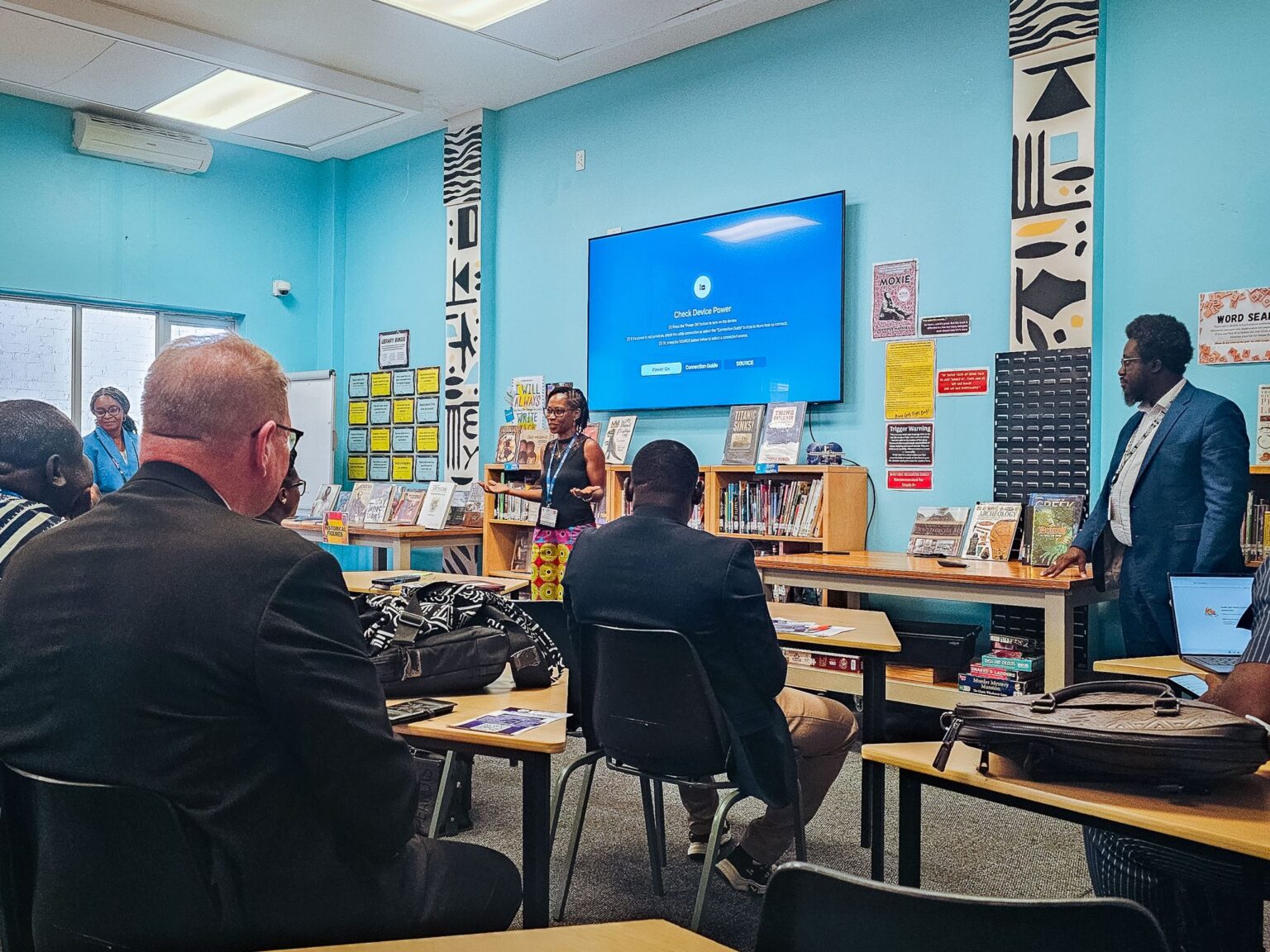
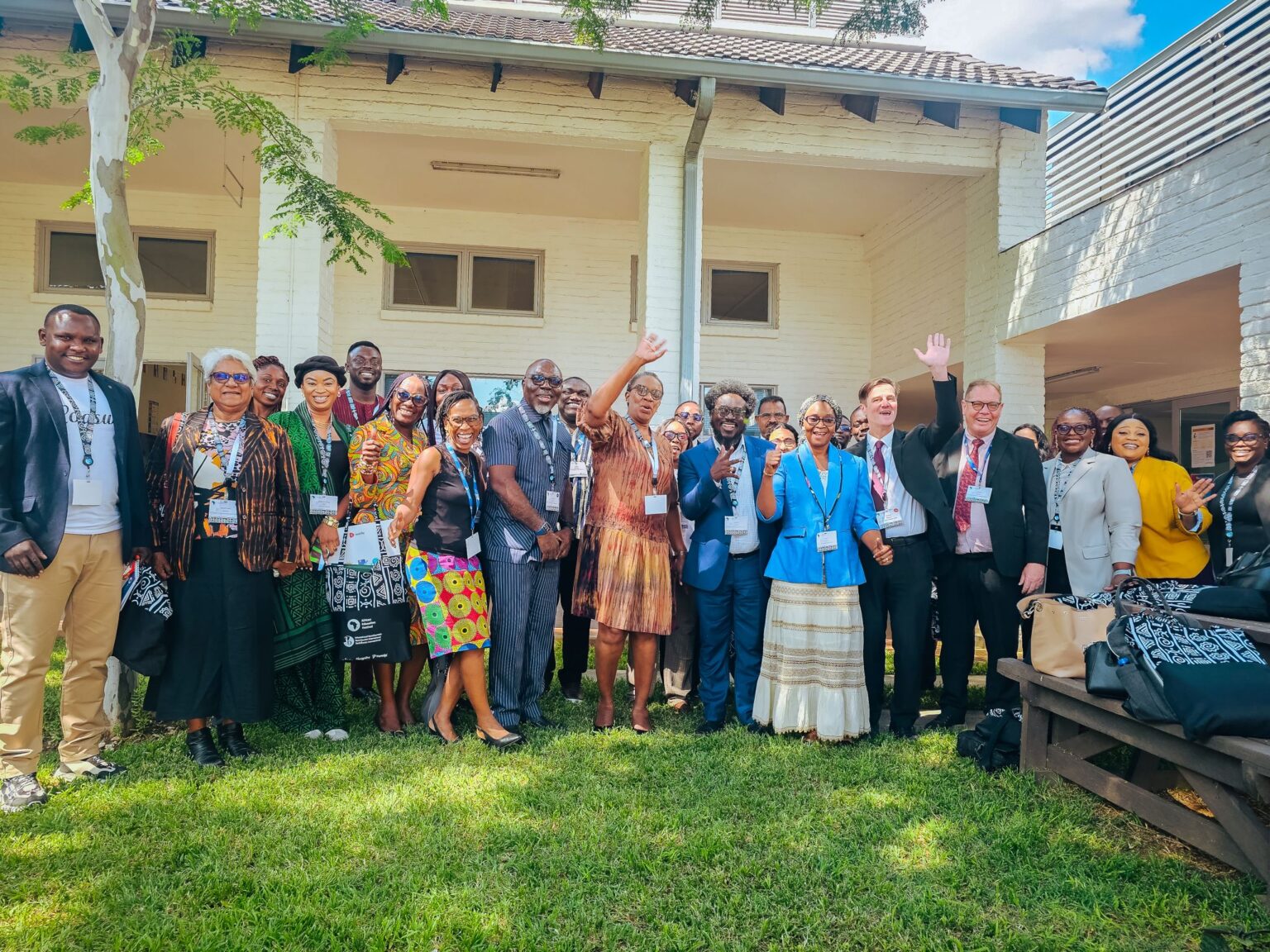
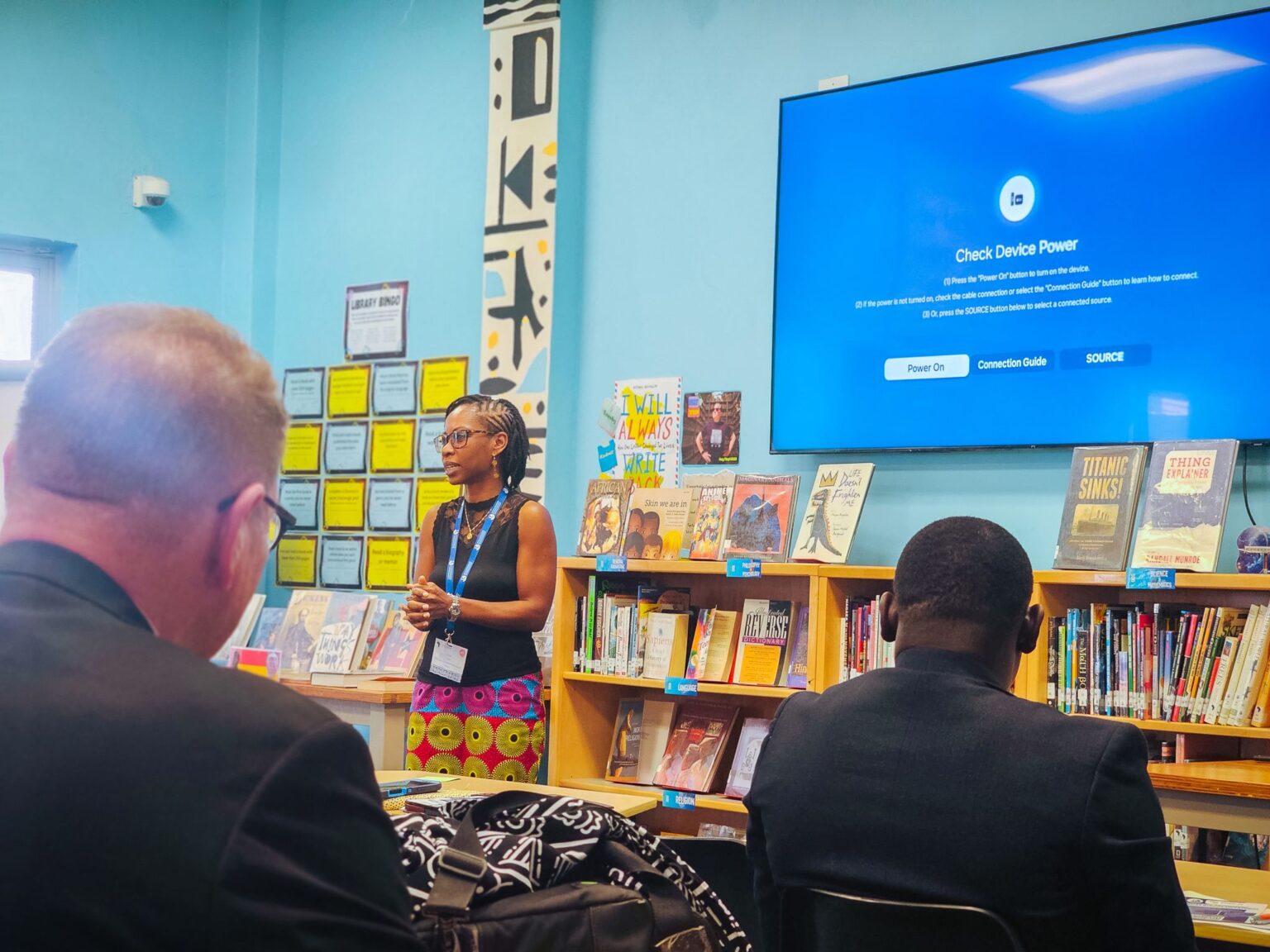
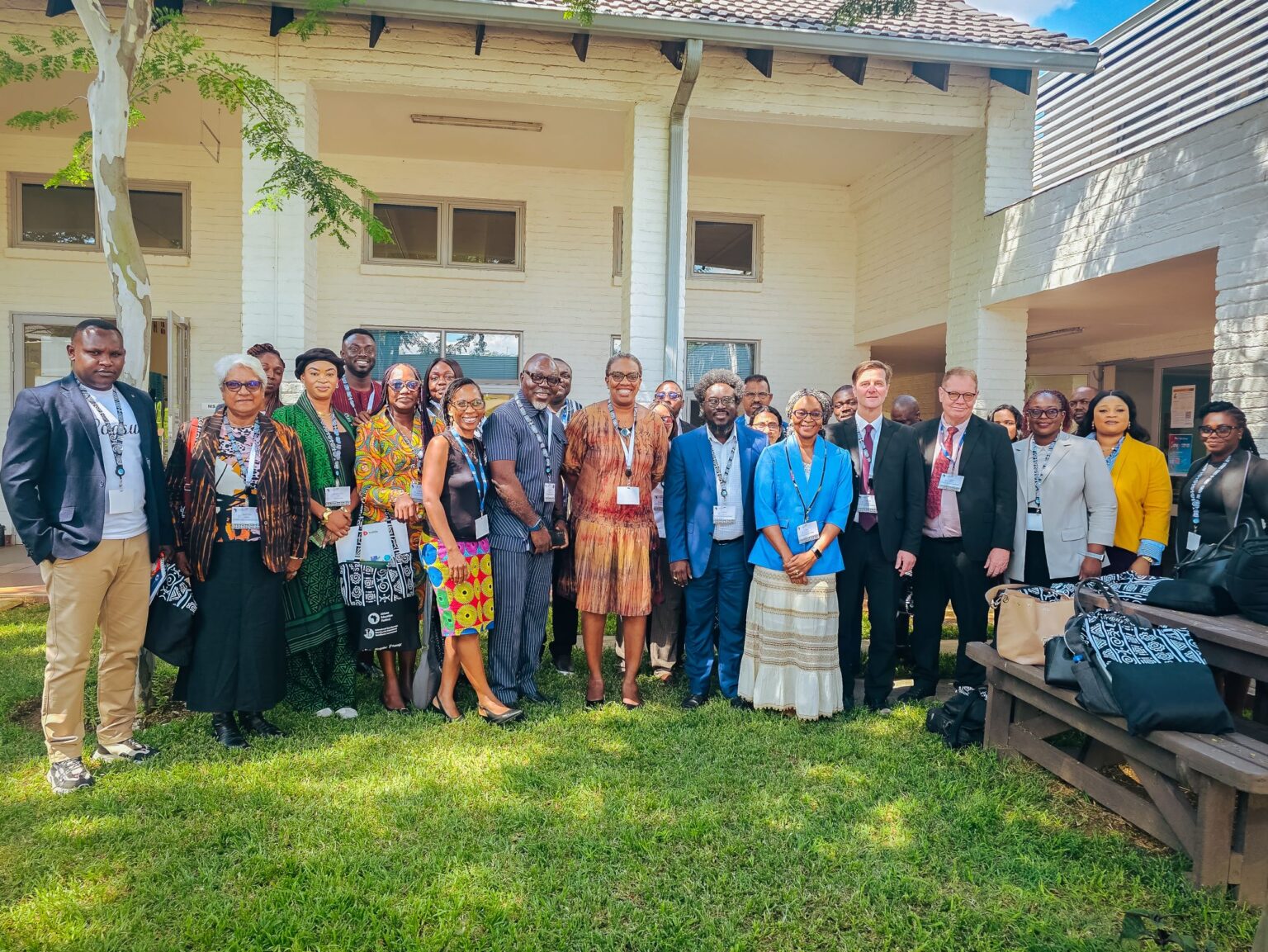
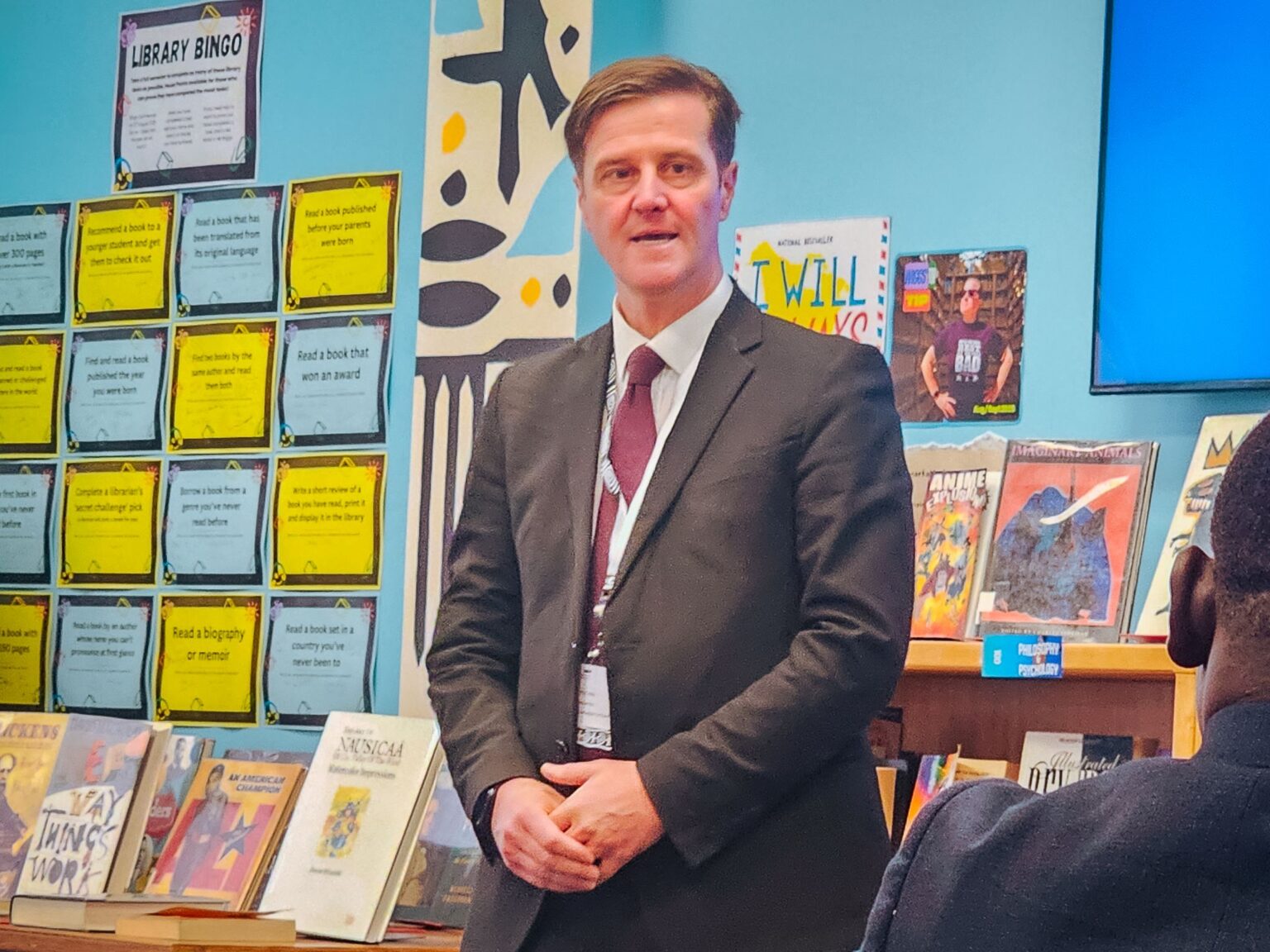
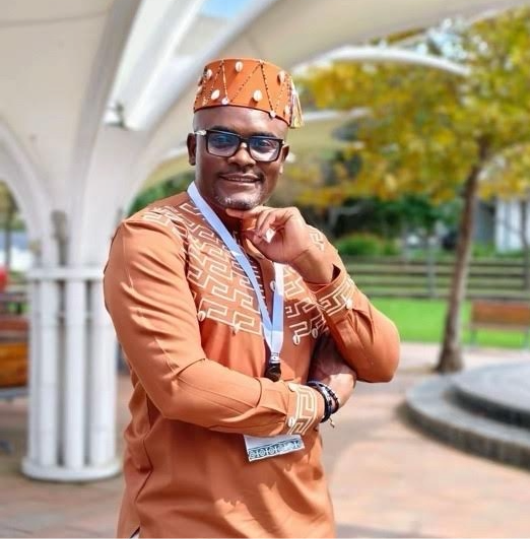
The West Africa Association of IB World Schools – WAAIBWS was pleased to take part in the International Baccalaureate (IB) African Education Festival South Africa 2026, marking our inaugural involvement in the event. It was incredibly encouraging to see such a strong turnout of IB educators from West Africa, all coming together to connect, exchange ideas, and explore opportunities for collaboration in education.
The session created space for meaningful discussions around collaboration in schools and strengthening education across the region, with educators actively sharing perspectives from their own contexts.
The West African IB community is ready to grow stronger together, marking a step towards deeper collaboration and greater impact in the region.


Speaker Spotlight - IB Africa Education Festival 2026
John Karanja
Meet John Karanja, a teacher and Head of School at The Nairobi Academy, and one of the compelling voices at this year's IB Africa Education Summit in Johannesburg, South Africa...
Meet John Karanja, a teacher and Head of School at The Nairobi Academy, and one of the compelling voices at this year's IB Africa Education Summit in Johannesburg, South Africa.
In his address, "Writing Our Own Name," John Karanja took delegates on a four-generation journey through education in Africa, from his grandmother tracing letters using a piece of charcoal on the ground to a world where students carry the entire world in their palms. His central argument was both simple and radical: the tools of education have always changed, but the deeper question is, whose names are we teaching our children to write? has never been more urgent.
John challenged IB educators across the continent to go beyond university placement and embrace education as a deliberate act of nation-building. He called for a decolonised, Africanized curriculum that reflects students' own histories, problems, and solutions, alongside a push for African universities to recognise the qualifications their own students earn.
With warmth, wit, and a deeply personal story, John reminded us that behind every pedagogical framework are the people who make it matter: the teachers who stayed late by kerosene lamplight, and the fathers who sold a gallon of milk to buy a child their first pair of shoes.
"Do not just build schools that teach children how to read. Build schools that teach them why they were born."
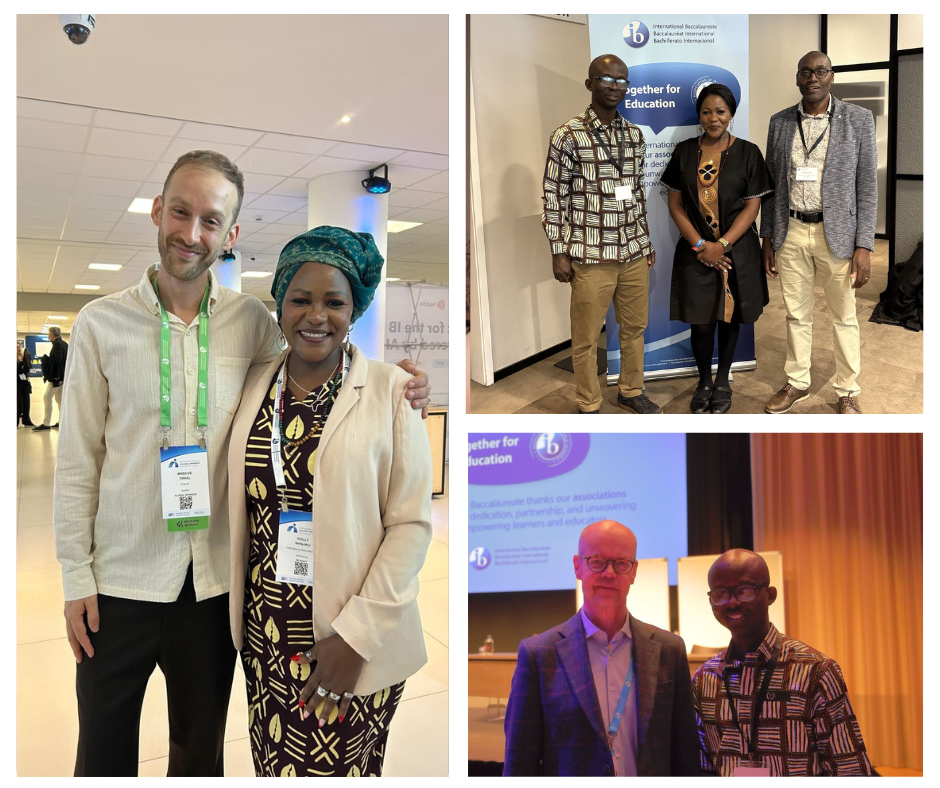
West Africa Association of IB World Schools (WAAIBWS) proudly celebrates the educators shaping the future of African education.
"Do not just build schools that teach children how to read. Build schools that teach them why they were born."
Adzo Ashie
Adzo Ashie is the Vice Principal 2 at SOS-Hermann Gmeiner International College (SOS-HGIC), the first IB World School in Ghana and the oldest in West Africa. At the IB Africa Education Festival, she presented "Envisioning Sankofa: Fostering Inter-School Collaboration and Cultural Identity through the Arts", a session rooted in the Akan principle of learning from the past to shape the future...
Meet Adzo Ashie, Vice Principal 2 at SOS-Hermann Gmeiner International College (SOS-HGIC), the first IB World School in Ghana and the oldest in West Africa.
At this year's IB Africa Education Festival in Johannesburg, Adzo presented "Envisioning Sankofa: Fostering Inter-School Collaboration and Cultural Identity through the Arts", a session that brought one of Ghana's most meaningful cultural philosophies into the heart of IB education.
Sankofa, rooted in Akan tradition, teaches that we must look back to move forward. That principle became the foundation of the inaugural Sankofa Arts Festival, a cross-school initiative led by SOS-HGIC in partnership with public and private schools, the Nkyinkyim Museum, and master artists. Through theatre, music, dance, media, and visual arts, students were invited to transform cultural knowledge into creative expression, celebrating African history and identity while building genuine connections across school communities.
At the Festival session in Johannesburg, participants got a firsthand taste of this experience. They were introduced to the meanings of Adinkra symbols before working in groups to express the significance of a chosen symbol through a creative medium, mirroring the very journey students undertook during the festival itself.
The session made a compelling case: the arts are not a supplement to education. They are a bridge between schools, between generations, and between students and the cultures that shaped them.
West Africa Association of IB World Schools is proud to spotlight the educators and leaders shaping school communities across the globe.
Learning from the past and expressing identity through the arts.
Jeska Washington
Jeska Washington is the MYP Principal and Deputy Head of School at Ntare Louisenlund International School in Rwanda. Jeska believes that when you trust students with real responsibility, they rise to meet it. At the IB Africa Education Festival, she presented the story of the Ubuntu Council, a student-led judicial body at Ntare Louisenlund where elected students hear and decide discipline cases, while the one adult in the room stays silent...
Meet Jeska Washington, MYP Principal and Deputy Head of School at Ntare Louisenlund International School in Rwanda..
At this year's IB Africa Education Festival in Johannesburg, Jeska shared one of the most striking examples of Ubuntu in action that the festival had to offer.
It started with a question. After a keynote on Ubuntu philosophy at Ntare Louisenlund, the school asked itself: what would it look like to truly give justice to the people who needed it most? The answer was the Ubuntu Council, the judicial branch of the school's three-part student government.
Eighteen elected students, operating in gender-separate councils, hear and decide Level 0 and Level 1 discipline cases. Peer conflicts, dormitory disputes, and academic accountability. One adult observes every hearing. That adult does not speak.
Nearly two years in, the results speak for themselves. Students have handled Academic Integrity hearings involving their own council members, assigned community service for trespassing cases, and resolved school-wide behavioural patterns without adult intervention. But what impresses the school most is not the outcomes. It is what they overhear: the debates, the defences, the strategies of students who have genuinely taken ownership of their community.
West Africa Association of IB World Schools is proud to spotlight the educators and leaders shaping school communities across the globe.
We don't just have a discipline system. We have students who believe this school belongs to them — and act like it.
Francesco Banchini
Francesco Banchini is the CEO & Director of European Azerbaijan School. A global educator, speaker, and author, Francesco brings a deeply human vision to international school leadership. At the IB Africa Education Festival, he invites educators to explore Ubuntu as a living philosophy; one that transforms classrooms into communities of belonging, empathy, and shared purpose...
Meet Francesco Banchini, global educator, author, and the CEO & Director of the European Azerbaijan School (EAS).
At this year's IB Africa Education Festival, Francesco facilitated a workshop titled "Building Communities of Belonging and Purpose", a session built around the African philosophy of Ubuntu: I am because we are.
Rather than treating Ubuntu as a concept to be studied, Francesco invited participants to live it throughout the session. Through dialogue, storytelling, and collaborative activity, educators and leaders explored what it truly means to build school communities where every student, teacher, and parent feels seen, heard, and valued. The workshop moved from philosophy to practice, equipping participants with concrete strategies for embedding Ubuntu in leadership, classroom culture, and community engagement.
The message was clear: relationships are not a soft supplement to learning. They are the foundation of it.
West Africa Association of IB World Schools is proud to spotlight the educators and leaders shaping school communities across the globe.
Ubuntu reminds us that education is ultimately a collective act of hope.
